Great Barrier Reef Snorkelling
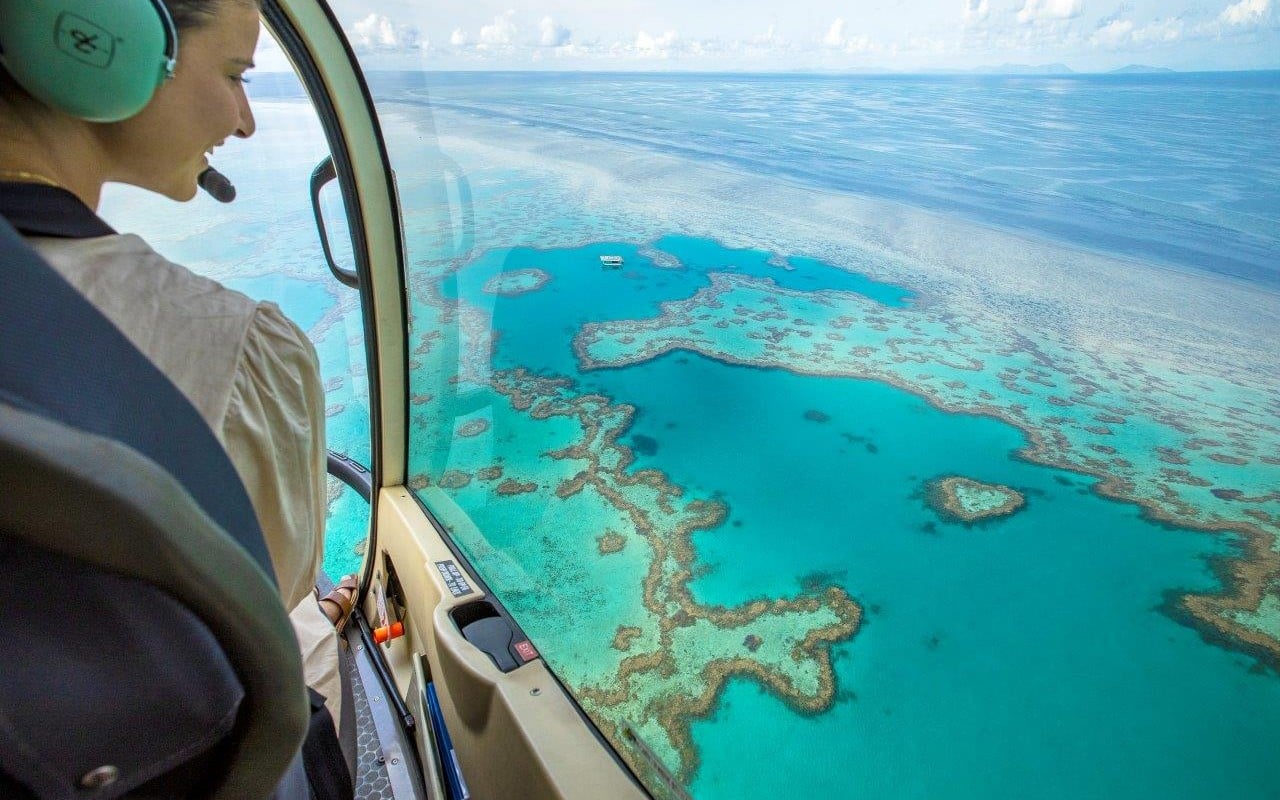
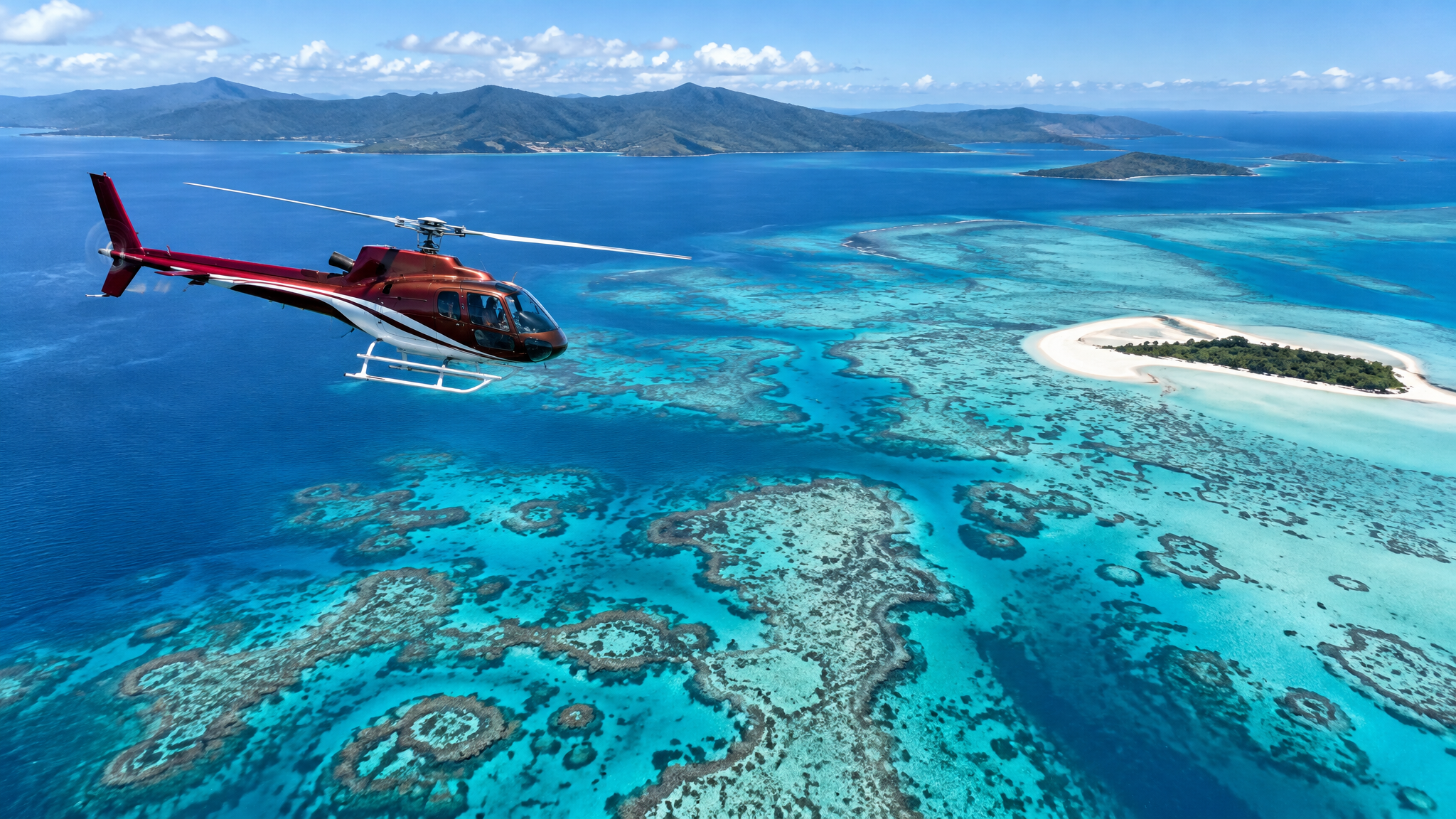
The Whitsunday Islands sit inside the Great Barrier Reef Marine Park, giving you direct access to one of the planet's most extraordinary ecosystems — from outer reef pontoons to vibrant fringing reefs.
Outer Reef vs Fringing Reefs
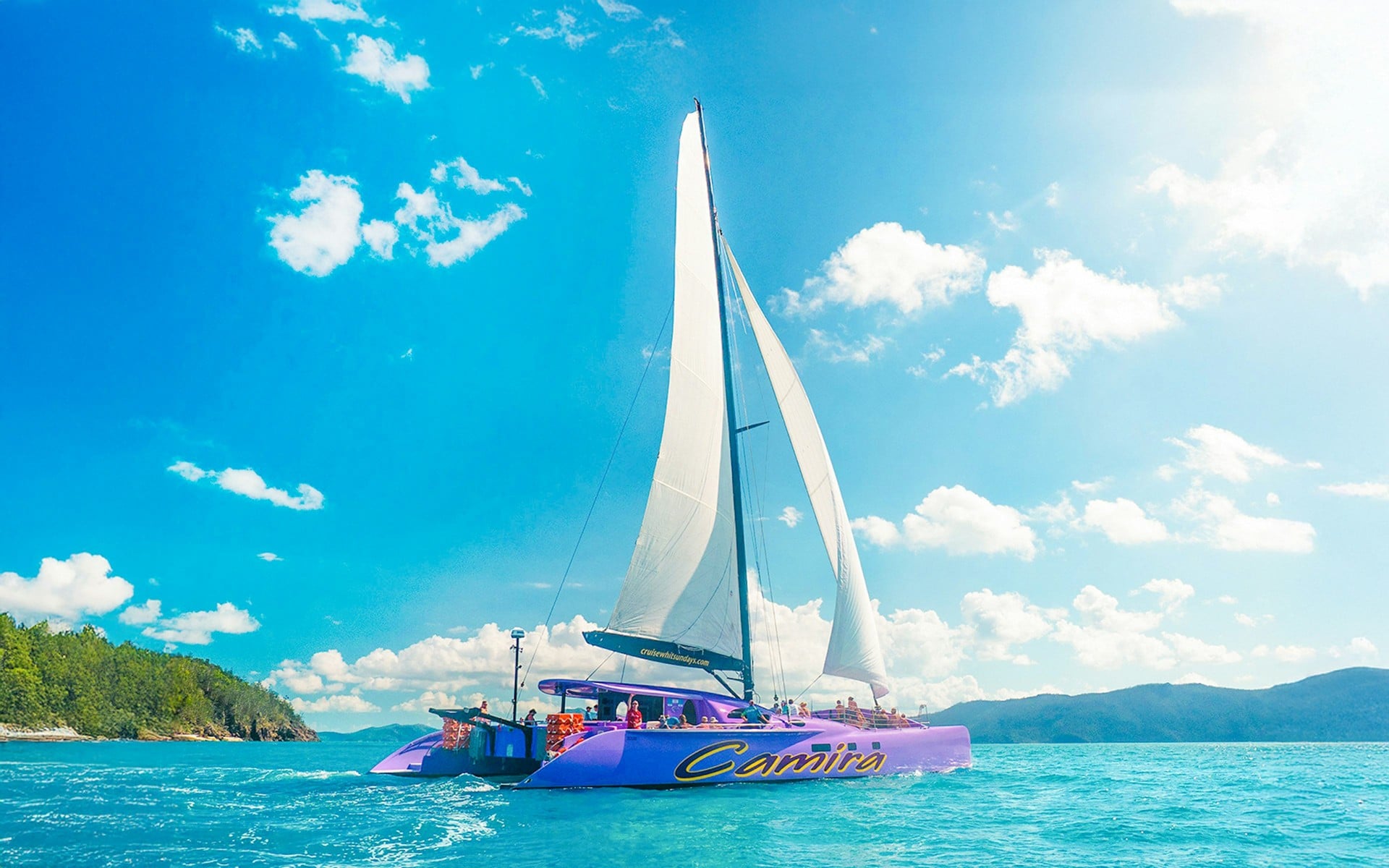
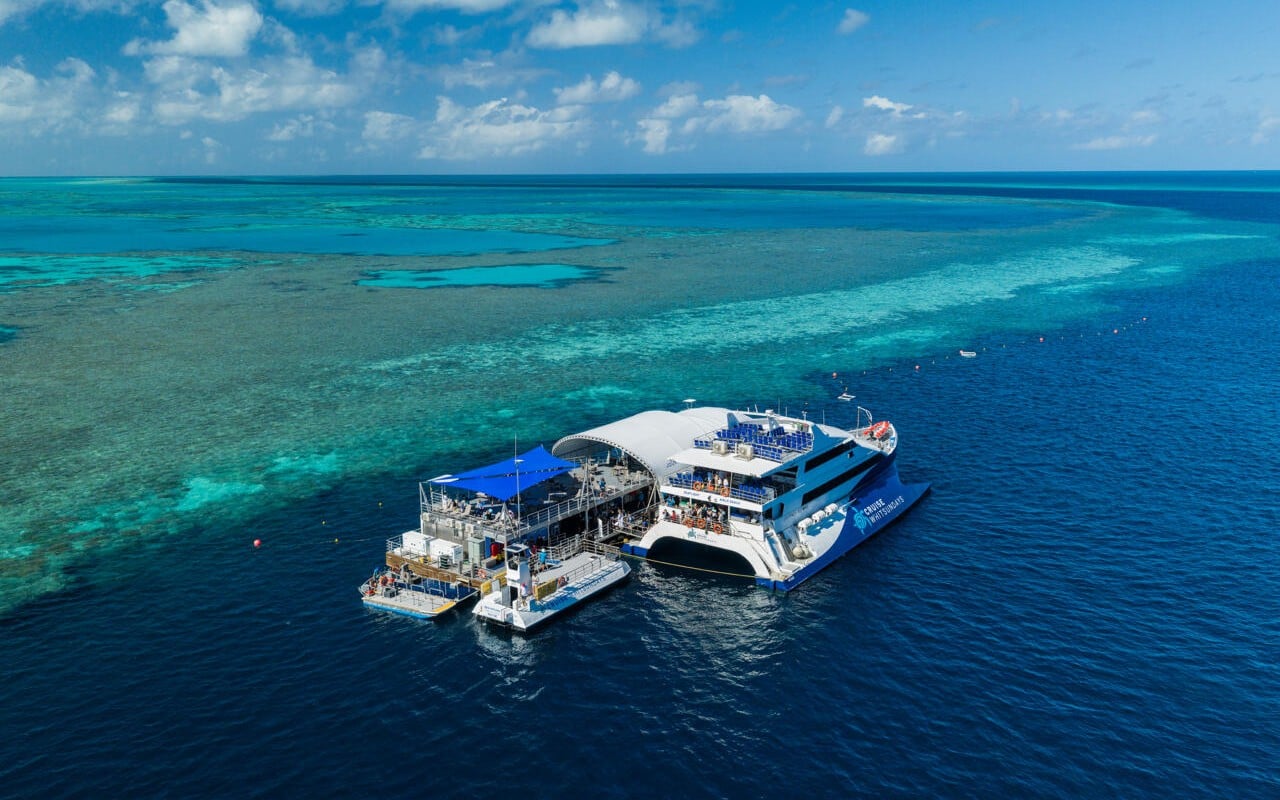
The outer Great Barrier Reef — reached by high-speed catamaran in about 2 hours — offers the most spectacular visibility and coral diversity. Hardy Reef and Knuckle Reef are the main destinations, with purpose-built pontoons that include underwater viewing chambers, semi-submersible tours, and snorkel platforms directly over the reef.
Fringing reefs around Hook Island, Border Island, Langford Island and Mantaray Bay are closer to Airlie Beach and are included in most sailing and island day trips. The coral coverage at sites like Blue Pearl Bay and Luncheon Bay is excellent.
What You'll See
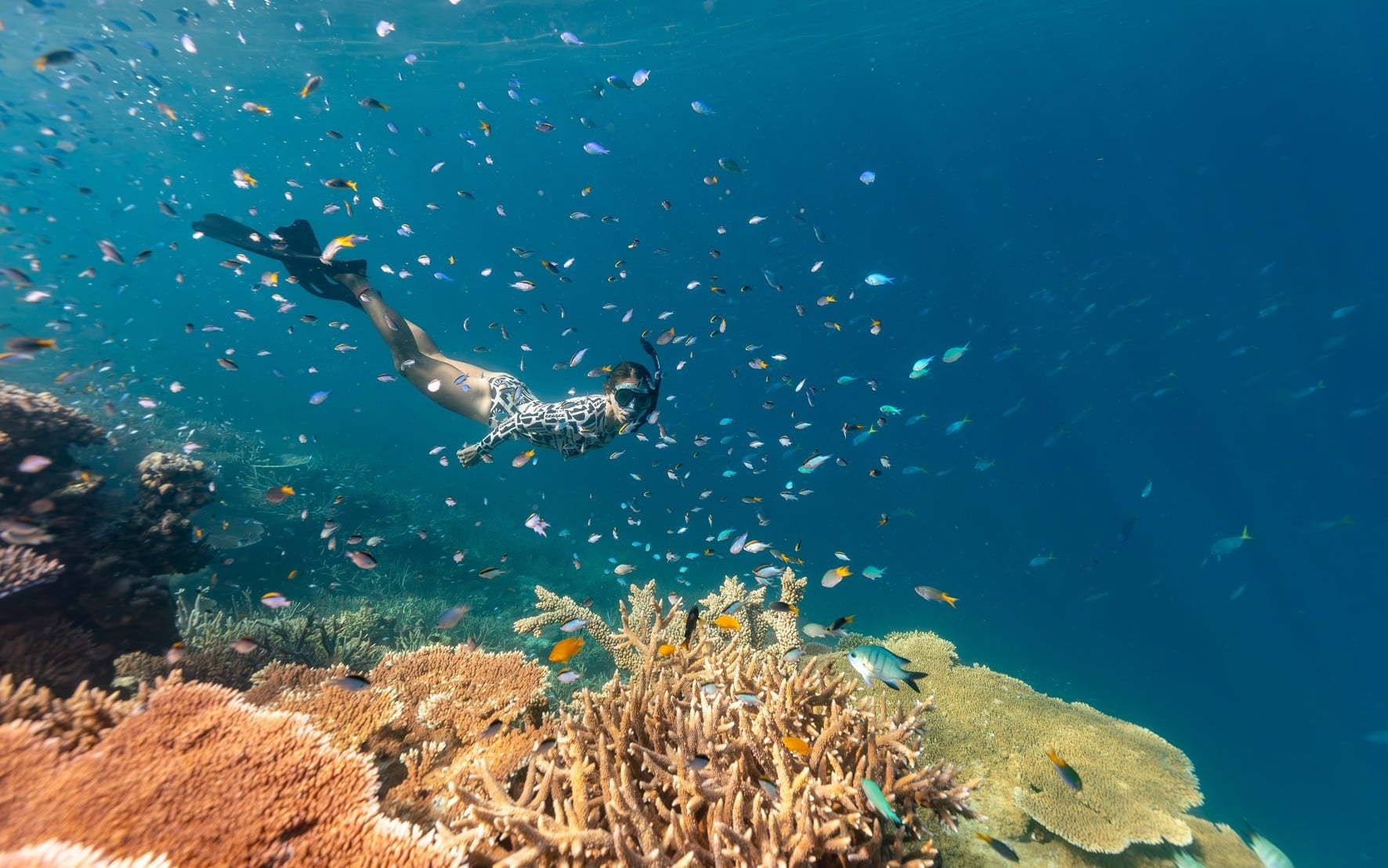
The Whitsundays section of the Great Barrier Reef is home to over 1,500 species of fish, 400 types of coral, and marine megafauna including green and loggerhead turtles, reef sharks, manta rays, giant Maori wrasse, and — from June to September — migrating humpback whales. Clownfish sheltering in anemones, parrotfish crunching coral, and schools of fusiliers and surgeonfish are everyday sights.
Diving Options
Most reef tours offer introductory ("discover") scuba diving for non-certified divers, supervised by a qualified instructor. Certified divers can book guided reef dives at sites like Bait Reef, Stepping Stones and the Whitsunday dive trail. Night dives and multi-dive packages are available on some liveaboard trips.
Reef Health & Conservation
The Great Barrier Reef faces environmental pressures, but the Whitsundays region has shown strong recovery in recent years, particularly around the fringing reefs and inner shelf. Tour operators follow strict reef protection protocols — no touching coral, no standing on the reef, and biodegradable-only sunscreen is strongly encouraged.
15 Reef & Snorkel Tours
Compare live prices and book securely online.